
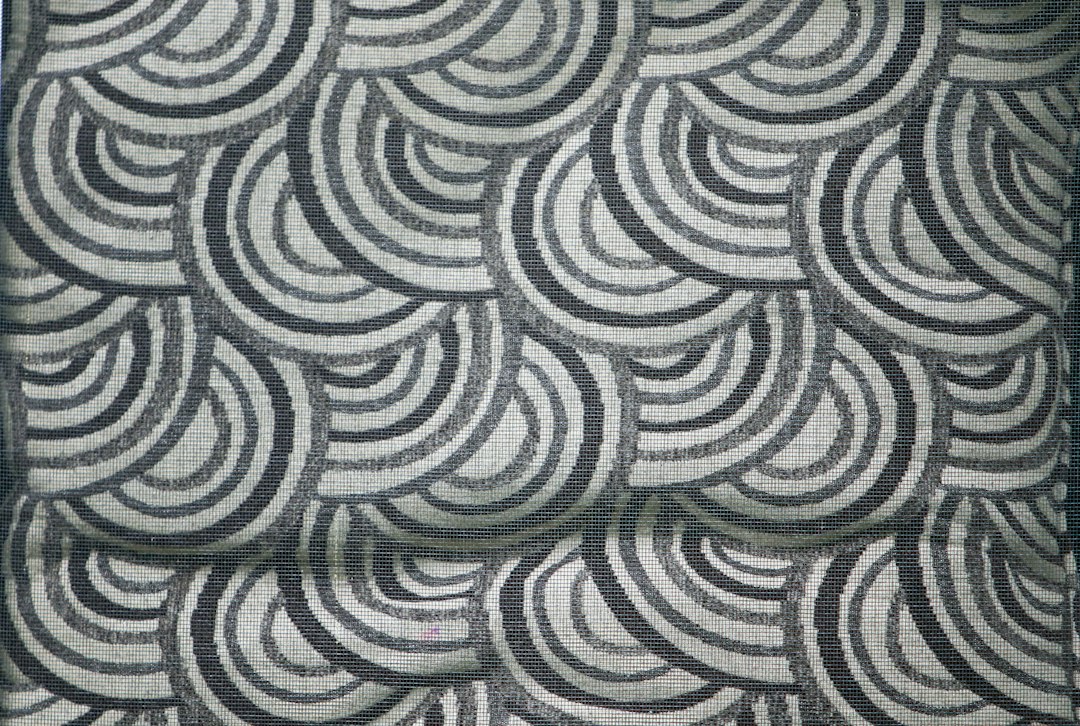
In the realm of interior design, textures play a pivotal role in shaping the atmosphere and functionality of a space. They can evoke emotions, create focal points, and enhance the overall aesthetic appeal of a room. As we navigate through modern design trends, understanding the impact of textures becomes essential for creating harmonious environments that resonate with both beauty and sustainability.
Understanding Textures in Design
Textures refer to the surface quality of materials, which can be perceived visually or through touch. In interior design, textures can range from soft fabrics like velvet and cotton to hard surfaces like wood and metal. Each texture contributes uniquely to the ambiance of a space, influencing how light interacts with surfaces and how occupants feel within the environment. By thoughtfully selecting textures, designers can create layers of interest that invite exploration and comfort.
Moreover, the choice of textures can significantly affect the perceived size and warmth of a room. For instance, incorporating soft textures can make a space feel cozier, while sleek, hard surfaces can lend a more open and airy feel. This understanding allows designers to manipulate perceptions, making small spaces feel larger or creating intimate corners in expansive areas. The key lies in balancing various textures to achieve a cohesive look that aligns with the client’s vision.
The Role of Sustainable Textures
As sustainability becomes a cornerstone of modern interior design, the selection of eco-friendly textures is gaining prominence. Materials that are ethically sourced and produced not only reduce environmental impact but also enhance the health and well-being of inhabitants. For instance, using organic cotton or recycled materials can contribute to a more sustainable design while providing unique textures that add character to a space.
Incorporating sustainable textures also builds trust with clients who prioritize eco-conscious decisions. Certifications such as Fair Trade or Energy Star signify that products meet specific environmental and social standards, assuring buyers of their ethical sourcing. This transparency fosters a deeper connection between the designer and the client, as both share a commitment to sustainability and responsible living.
Textures and Color Harmony
The interplay between textures and colors is crucial in achieving a harmonious design. Different textures can alter the perception of color, making it appear warmer or cooler depending on the material’s surface. For example, a matte finish may absorb light and create a subdued color palette, while glossy surfaces can reflect light, enhancing vibrancy. Understanding this relationship allows designers to create visually striking spaces that are also cohesive.
Additionally, layering textures with complementary colors can create depth and interest in a room. A combination of soft textiles, such as cushions and throws, with harder elements like wooden furniture can create a balanced aesthetic. This layering not only enhances visual appeal but also invites tactile interaction, making spaces feel more inviting and lived-in.
Practical Applications of Textures
In practical terms, textures can be utilized in various ways to enhance both residential and commercial spaces. For residential interiors, incorporating textured wall coverings, such as grasscloth or textured paint, can add dimension to a room without overwhelming it. Similarly, using textured rugs can define areas within open floor plans, creating a sense of separation while maintaining flow.
In commercial spaces, textures can influence customer experience and brand perception. For instance, a café might use warm, inviting textures to create a cozy atmosphere that encourages patrons to linger, while a modern office might opt for sleek, minimalist textures to convey professionalism. By aligning texture choices with the intended purpose of the space, designers can enhance functionality while also reinforcing brand identity.
Conclusion: The Future of Textures in Design
As we look to the future of interior design, the importance of textures will only continue to grow. With an increasing focus on sustainability and ethical sourcing, designers have the opportunity to create spaces that are not only beautiful but also responsible. By embracing a diverse range of textures, we can craft environments that reflect our values and enhance our quality of life.
Ultimately, the impact of textures in modern interior design trends is profound. They serve as a bridge between aesthetics and functionality, allowing designers to create spaces that resonate with occupants on multiple levels. As we move forward, let us prioritize textures that tell a story, evoke emotion, and contribute to a more sustainable future in design.