
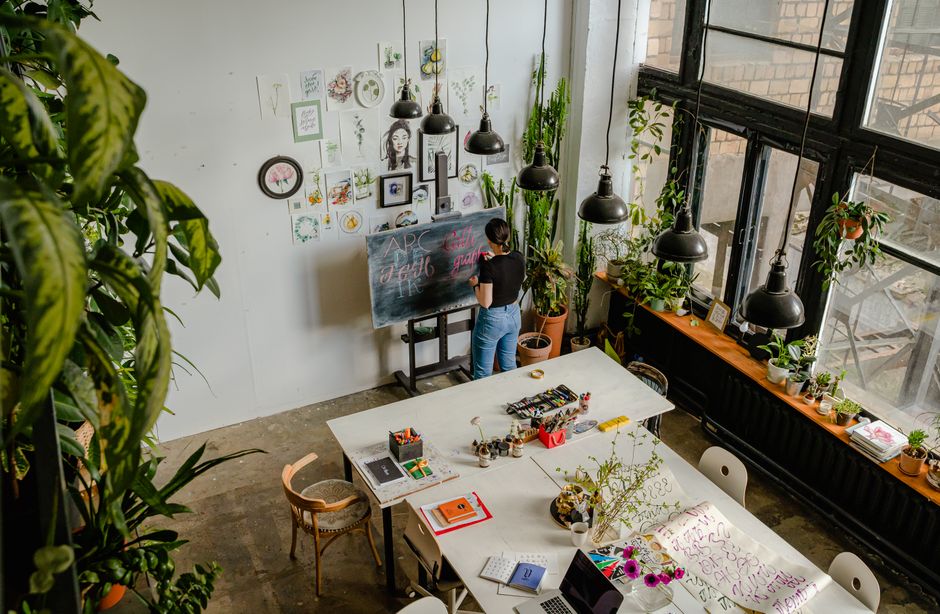
In today’s world, the importance of sustainable interior design cannot be overstated. As more homeowners become aware of their environmental impact, the demand for eco-friendly homes has surged. Sustainable design not only benefits the planet but also enhances the quality of life for residents. By incorporating sustainable practices into interior design, you can create a beautiful, functional space that reflects your values and contributes positively to the environment.
Understanding Sustainable Interior Design
Sustainable interior design focuses on creating spaces that are environmentally responsible and resource-efficient throughout a building’s life cycle. This includes the selection of materials, energy-efficient appliances, and sustainable practices that minimize waste. Key Insight: According to recent studies, 75% of homeowners are willing to pay more for sustainable products, indicating a significant shift in purchasing behavior towards eco-friendly options. By understanding the principles of sustainable design, you can make informed choices that align with your values.
One of the core tenets of sustainable design is the use of renewable resources. This means opting for materials that are sourced sustainably, such as bamboo, reclaimed wood, and recycled metals. These materials not only reduce the demand for new resources but also add unique character to your home. Additionally, sustainable design encourages the use of non-toxic paints and finishes, which improve indoor air quality and create a healthier living environment.
Furniture Selection and Sourcing
When it comes to furniture selection, choosing pieces made from sustainable materials is crucial. Look for furniture that is certified by organizations such as the Forest Stewardship Council (FSC), which ensures that the wood used is sourced from responsibly managed forests. Furthermore, consider investing in second-hand or vintage furniture, which not only reduces waste but also adds a unique touch to your home. By sourcing furniture thoughtfully, you can create a stylish and eco-friendly living space.
Another aspect of sustainable furniture sourcing is supporting local artisans and manufacturers. By purchasing locally made products, you reduce the carbon footprint associated with transportation and support your local economy. Additionally, many local artisans prioritize sustainable practices in their work, ensuring that your furniture is not only beautiful but also environmentally friendly.
Color Consultation for Eco-Friendly Homes
Color plays a significant role in interior design, and choosing the right hues can enhance the sustainability of your home. Opt for low-VOC (volatile organic compounds) paints that are less harmful to the environment and your health. Earthy tones and natural colors can create a calming atmosphere while reflecting the beauty of nature. Key Insight: A survey found that 60% of homeowners prefer natural color palettes, demonstrating a trend towards more organic and soothing environments.
Incorporating color through natural materials, such as stone or clay, can also contribute to a sustainable design. These materials not only provide durability but also add texture and warmth to your space. By carefully selecting colors and materials, you can create a cohesive and eco-friendly interior that resonates with your personal style.
Space Optimization Solutions
Efficient use of space is essential in sustainable interior design. By optimizing your living areas, you can reduce the need for excessive materials and create a more functional environment. Consider multi-functional furniture that serves multiple purposes, such as a sofa bed or a coffee table with storage. This approach not only saves space but also minimizes the number of items needed in your home.
Additionally, incorporating built-in storage solutions can help declutter your space and reduce the need for additional furniture. Custom shelving and cabinetry can be designed to fit your specific needs while maximizing the use of available space. By focusing on space optimization, you can create a more sustainable and organized home that meets your lifestyle requirements.
Lighting Design Services for Sustainability
Lighting is a crucial element of interior design that can significantly impact energy consumption. By utilizing energy-efficient lighting options, such as LED bulbs, you can reduce your energy usage and lower your utility bills. Natural light should also be maximized through the strategic placement of windows and mirrors, creating a bright and inviting atmosphere while minimizing reliance on artificial lighting.
Moreover, consider incorporating smart lighting systems that allow you to control your home’s lighting remotely. These systems can help you monitor and reduce energy consumption, contributing to a more sustainable lifestyle. By prioritizing effective lighting design, you can enhance the beauty of your home while promoting energy efficiency and sustainability.